Key Takeaways
- Silica-free engineered surfaces remove or replace crystalline silica content while maintaining visual and mechanical characteristics comparable to traditional quartz .
- Transitioning to silica-free or low-silica materials helps distributors and fabricators manage regulatory liability under evolving international workplace safety standards .
- A silica-free product classification does not eliminate fabrication dust controls; wet cutting and localized dust extraction remain mandatory workplace safety practices .
- B2B buyers must request sample-specific laboratory test reports and written composition statements to verify non-detectable silica claims rather than relying on generalized marketing declarations .
Introduction
The global architectural surfaces market is undergoing a significant transition as regulatory authorities intensify oversight of respirable crystalline silica (RCS) exposure . For importers, distributors, countertop fabricators, and procurement officers, selecting between traditional high-silica quartz slabs and emerging silica-free engineered surfaces involves balancing product performance, workplace compliance, fabrication workflows, and supply chain continuity .
Traditional quartz surfaces rely on natural quartz aggregates bound by resins, resulting in crystalline silica levels typically exceeding 60% to 80%. In response to heightened occupational health regulations—such as Australia’s ban on engineered stone and updated workplace safety rules in the United States and Europe—manufacturers have developed alternative surface formulations . These formulations replace quartz aggregates with alternative crystalline-silica-free mineral matrices or amorphous materials .
Evaluating silica-free quartz vs. traditional quartz requires a clear understanding of physical specifications, fabrication requirements, and regulatory implications. This guide compares these material categories across core B2B decision criteria to assist buyers in managing technical procurement and compliance workflows .
Regulatory and Safety Realities: What Silica-Free Means for Workplaces
Silica-free engineered surfaces are designed to eliminate crystalline silica from the slab formula, but they do not exempt fabricators from general dust management duties or permit dry cutting without engineering controls . Workplace safety authorities regulate both the chemical composition of raw slab materials and the physical generation of airborne particulates during fabrication .
Regulatory bodies across major markets have established strict limits on workplace silica exposure. In California, permanent amendments to Title 8 Section 5204 took effect on February 5, 2025 (following emergency rule updates in December 2023), enforcing an Action Level (AL) of 25 μg/m³ and a Permissible Exposure Limit (PEL) of 50 μg/m³ over an eight-hour time-weighted average (TWA) . Under these regulations, specific fabrication operations like dry cutting, grinding, and edge polishing are classified as high-exposure trigger tasks requiring mandatory wet methods, continuous respiratory protection, and continuous environmental monitoring . Meanwhile, Australia has prohibited traditional engineered stone products containing crystalline silica, creating a distinct market mandate for certified low-silica and silica-free alternatives .
B2B purchasers must recognize that no safety agency—including OSHA—issues generalized product approvals for building materials . Stating that a material is "OSHA approved" or that a silica-free formula can be dry-cut without environmental controls is incorrect and creates regulatory risk . Even when fabricating crystalline-silica-free slabs, machinery operators are exposed to general organic and inorganic nuisance dust, which still requires dust suppression, proper ventilation, and personal protective equipment .
Performance and Aesthetics: Comparing Formulations
Modern silica-free engineered surfaces deliver surface durability, stain resistance, and aesthetic versatility comparable to traditional quartz slabs across standard commercial dimensions . Advances in alternative mineral matrices allow manufacturers to maintain standard fabrication properties while eliminating crystalline quartz aggregates .
Traditional quartz slabs have long served as an industry standard due to their high mechanical strength, low water absorption, and resistance to impact and scratching. Silica-free formulations match these core functional expectations by combining alternative silica-free mineral fillers, recycled glass, or specialized vitreous matrices with resin systems . These materials accommodate standard slab thicknesses, including primary commercial profiles of 20 mm and 30 mm, as well as secondary thicknesses such as 15 mm and 18 mm for specialized application requirements .
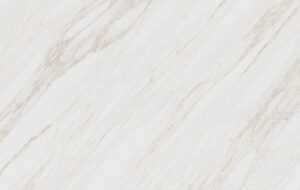
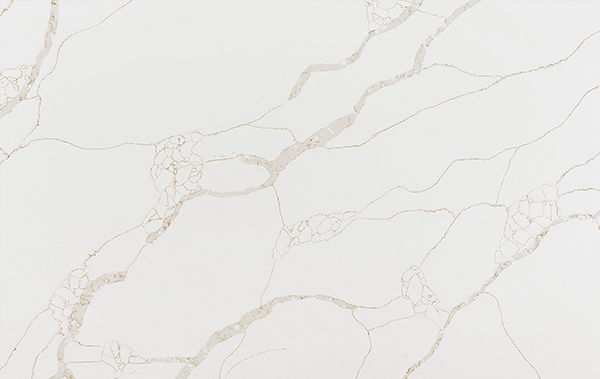
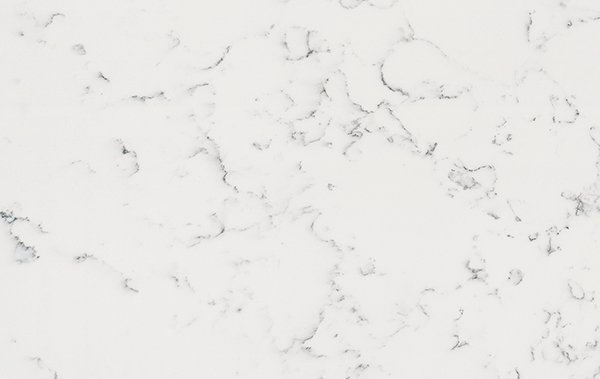
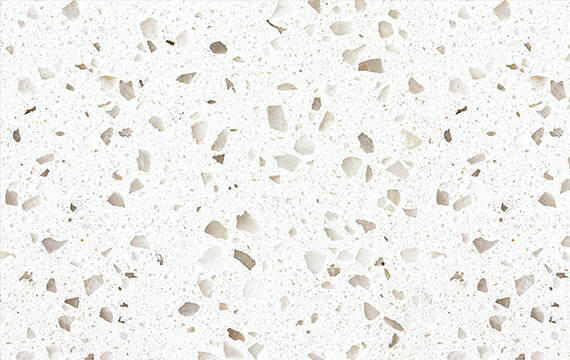
From a design perspective, silica-free options can be integrated across established collections without compromising visual depth, edge detailing, or color consistency . Fabricators and designers can source silica-free materials across a complete range of surface finishes, including:
- Polished: High-gloss surface accentuating pattern clarity and color depth .
- Honed: Smooth, non-reflective matte appearance providing a soft visual texture .
- Leathered: Lightly textured surface offering a tactile, natural stone feel .
- Matte: Low-sheen finish designed for modern architectural aesthetics .
Because manufacturers can offer silica-free formulations across existing collection visual patterns, commercial buyers can transition to safer material options without altering project specification sheets or customer visual expectations .
Comparison of Surface Categories
To assist commercial buyers, distributors, and fabricators in evaluating material options, the following sections detail the primary surface categories currently available in the international marketplace .
Traditional High-Silica Quartz
- Suitable for: Buyers operating in jurisdictions without specific crystalline silica product restrictions where comprehensive shop dust control systems are fully operational .
- Main advantage: Highly established fabrication standards, wide supply chain availability, and proven long-term performance records .
- Limitation: High crystalline silica content creates elevated regulatory oversight and strict occupational safety compliance burdens during processing .
- What to verify: Comprehensive Safety Data Sheets (SDS), air quality monitoring logs, and compliance with local occupational health rules .
Low-Silica Quartz Formulations
- Suitable for: Importers and fabricators seeking reduced crystalline silica levels to comply with intermediate regional exposure targets or transitional rules .
- Main advantage: Significantly lower silica percentages compared to legacy engineered stone while utilizing established resin production processes .
- Limitation: Contains measurable crystalline silica, meaning formal exposure limits (such as the 50 μg/m³ PEL) and specific task triggers remain fully applicable .
- What to verify: Precise silica percentage test reports, batch-specific analytical certificates, and local jurisdiction threshold triggers .
Silica-Free Engineered Surfaces
- Suitable for: Distributors, brand owners, and contractors aiming to lower regulatory risks, adhere to strict import bans, and protect workforce health .
- Main advantage: Removes detected crystalline silica while maintaining standard mechanical properties, slab thicknesses, and surface finish options .
- Limitation: General dust control measures and wet-cutting protocols must still be maintained during fabrication .
- What to verify: Independent laboratory test reports covering the specific SKU, batch scope documentation, and explicit compositional declarations .
Fabrication Protocols and Sourcing Verification for B2B Buyers
Procuring silica-free quartz requires systematic documentation verification to confirm that material claims are backed by accredited laboratory testing rather than unverified commercial statements . B2B buyers should establish clear verification protocols before committing to large-scale procurement contracts .
When evaluating suppliers offering silica-free alternatives, procurement teams should request:
- Formal Laboratory Test Reports: Verify crystalline silica content through quantitative X-ray diffraction (XRD) or petrochemical analysis reports issued by accredited third-party laboratories .
- Specific Sample Scope: Ensure the test report corresponds directly to the exact SKU, product collection, or batch scope being purchased, rather than assuming a single test report applies across an entire manufacturer range .
- Safety Data Sheets (SDS): Review section 3 (Composition) and section 8 (Exposure Controls) of the SDS to confirm non-detectable silica status and correct handling guidelines .
- Fabrication Guidelines: Confirm that recommended cutting speeds, tooling requirements, and adhesive compatibility match standard shop equipment .
In addition to documentation, fabricators must maintain safe operational environments regardless of material composition . While silica-free slabs mitigate respirable crystalline silica hazards, processing high-density mineral slabs generates organic binder particulates and non-silicosis dusts . Maintaining wet-cutting machinery, adequate shop ventilation, continuous water recycling, and appropriate personal protective equipment remains essential for workplace compliance and worker health .
Frequently Asked Questions
Does choosing a silica-free quartz slab eliminate the need for wet cutting during fabrication?
No, silica-free materials must still be fabricated using wet processing methods or integrated dust extraction systems . Dry cutting silica-free surfaces is unsafe because it generates high concentrations of airborne nuisance dust and resin particulates that fall under general workplace safety controls .
Are silica-free surfaces available in standard quartz thicknesses and surface finishes?
Yes, silica-free engineered surfaces are produced in standard commercial thicknesses, primarily 20 mm and 30 mm, with selected ranges available in 15 mm and 18 mm options . They can be specified in standard surface finishes, including Polished, Honed, Leathered, and Matte .
Does a single lab test report prove that an entire silica-free product line is certified?
No, a laboratory test report applies strictly to the tested sample and its defined batch scope . Buyers must ensure that supplier certifications explicitly cover the specific product collection, thickness, and formula variant being imported or fabricated, rather than relying on generalized range declarations .
Conclusion
The choice between silica-free quartz and traditional quartz centers on regulatory compliance, workplace safety management, and long-term supply stability . While traditional high-silica quartz offers established processing practices, silica-free engineered surfaces deliver equivalent physical performance, visual versatility, and finish options while directly addressing strict crystalline silica regulations [K1, L3].
To implement a successful sourcing transition, commercial purchasers should systematically audit supplier compliance claims . Requesting batch-specific laboratory test reports, verifying exact product specifications across 20 mm and 30 mm options, and enforcing shop-level wet-cutting safety protocols will ensure both regulatory compliance and reliable installation quality .